
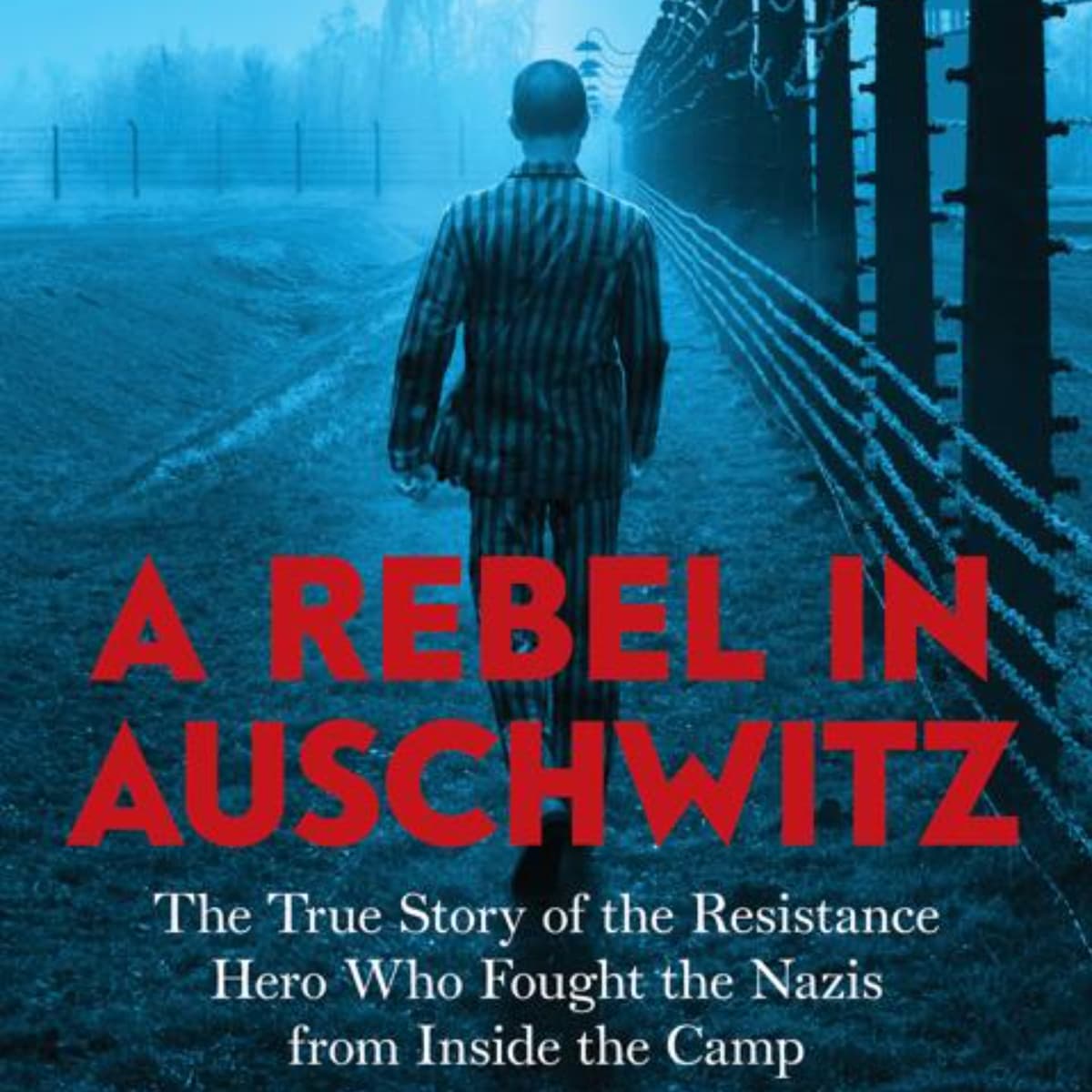
In "A Rebel in Auschwitz," Jack Fairweather takes us into the heart of darkness, where the indomitable spirit of a man named Witold Pilecki shines brightest. Captured and imprisoned in the infamous death camp, Pilecki becomes a reluctant hero, orchestrating a covert resistance from within the barbed wire. His tale unfolds against a backdrop of unimaginable horror, revealing the resilience of hope amid despair. Through detailed accounts of daily life in Auschwitz and the clandestine efforts to document and escape the atrocities, Fairweather illuminates the power of individual courage. Pilecki’s determination to save lives and expose Nazi crimes ultimately transforms him into a symbol of resistance. His story serves as a poignant reminder that even in the bleakest circumstances, the human spirit can rebel against oppression and spark a flicker of hope for justice.
Chapter 1:What Is A Rebel in Auschwitz
"A Rebel in Auschwitz" by Jack Fairweather is a powerful narrative that focuses on the life of Witold Pilecki, a Polish resistance fighter who infiltrated the Auschwitz concentration camp to gather intelligence and aid fellow prisoners. Here is an assessment of the book based on the specified criteria:
Depth and Accuracy of Content
Fairweather presents a detailed and well-researched account of Pilecki's experiences, drawing from historical records, survivor testimonies, and Pilecki's own writings. The depth of content is significant, as it explores the complexities of life in Auschwitz and the broader context of World War II.
Originality
The book stands out due to its unique subject matter. Pilecki's story is not as well-known as other narratives from the Holocaust, bringing originality to historical literature by shedding light on an extraordinary act of resistance.
Organization
The narrative is organized chronologically, moving from Pilecki's early life, through his time in Auschwitz, and into his post-war experiences. This structure aids in maintaining clarity and progression, though some readers may find the shifts in time challenging at times.
Readability
Fairweather's writing style is accessible and engaging, making the book suitable for both general readers and those with more academic interests. He balances historical context with personal stories, creating a compelling narrative flow.
Inspirational Emotional Impact
The book is deeply moving, showcasing human resilience, bravery, and the moral complexities individuals face in dire circumstances. Readers often find themselves inspired by Pilecki’s courage and selflessness.
Cultural and Social Impact
By highlighting Pilecki's story, the book contributes to discussions about resistance against oppressive regimes. It invites readers to reflect on issues of morality, courage, and the power of individual action in contexts of systemic evil.
Attention to Detail
Fairweather's attention to detail is commendable. He effectively paints a vivid picture of camp life, the horrors of genocide, and the dynamics of resistance. His research is evident in the rich descriptions and factual underpinnings.
Theme and Message
The central themes revolve around sacrifice, resilience, and the moral imperative to stand against injustice. Fairweather effectively conveys the message that individual courage can make a difference, even in the darkest of times.
Critical Thinking
The book encourages readers to think critically about history, resistance, and the choices individuals make in oppressive systems. It challenges assumptions and invites deeper contemplation on the nature of good and evil.
References
Fairweather includes a comprehensive set of references, drawing on a variety of sources to validate his narrative. This adds credibility and allows readers to further explore the historical context.
Creativity and Artistry
While the book is primarily a historical account, Fairweather's narrative style incorporates creative elements that enhance its readability. The blending of historical fact with engaging storytelling showcases his artistry.
Conclusion
Overall, "A Rebel in Auschwitz" is a compelling and significant work that provides both a gripping narrative and a profound exploration of resistance during one of history's darkest periods. It resonates on multiple levels, making it not only a worthwhile read but an important contribution to Holocaust literature.
Chapter 2:A Rebel in Auschwitz chapters
"A Rebel in Auschwitz" by Jack Fairweather tells the true story of a Polish resistance fighter, Witold Pilecki, who willingly allowed himself to be imprisoned in Auschwitz to gather intelligence and organize resistance against the Nazi regime. Here’s a brief summary of the overarching themes and key events covered in the chapters:
1. Introduction to Witold Pilecki: The book introduces Pilecki, outlining his motivations for infiltrating Auschwitz. His commitment to his country and the fight against Nazism is emphasized, setting the stage for his extraordinary courage.
2. Life in Auschwitz: Fairweather details the brutal conditions in the camp, including the daily struggles for survival. Pilecki's experiences provide a harrowing look at the atrocities occurring within the camp and the resilience of the human spirit.
3. Resistance Efforts: Pilecki quickly begins to organize resistance among the prisoners, creating a network to gather information and instigate rebellion against the SS guards. This part of the book illustrates not only his leadership qualities but also the solidarity among prisoners.
4. Gathering Intelligence: Pilecki sends reports about the camp's operations to the outside world, hoping to alert the Allies to the genocide taking place. His correspondence is critical, as it provides some of the earliest accounts of the Holocaust.
5. Escape and Aftermath: After nearly three years in Auschwitz, Pilecki devises a daring escape plan. The book explores the challenges he faces upon exiting the camp and his subsequent efforts to share his experiences with the Allied forces.
6. Legacy of Courage: The latter chapters reflect on Pilecki's enduring legacy, his contributions to the resistance in Poland, and the dangers he faced post-war during the communist regime.
7. Conclusion: Fairweather wraps up the narrative by discussing the importance of remembering Pilecki's story, emphasizing themes of courage, resistance, and the moral imperative to stand against evil.
The book blends historical events with a personal narrative, providing both an educational and emotionally engaging reading experience. Each chapter builds on the themes of sacrifice, heroism, and the fight for justice amidst overwhelming horror.
Echoes of Resistance: The Story of a Rebel in Auschwitz
In the chilling corridors of history, where shadows of despair loom large, the story of a remarkable figure emerges—a testament to the indomitable spirit of humanity against unparalleled tyranny. Jack Fairweather's "A Rebel in Auschwitz" transports us to one of the most notorious prisons of sorrow, where the flicker of hope battled fiercely against the suffocating darkness. This is not merely a tale of survival; it is a profound exploration of rebellion, courage, and the relentless fight for dignity in the face of oppression.
Picture the harsh reality of Auschwitz in the early 1940s. High walls, barbed wire, and watchtowers create a suffocating atmosphere. The air is thick with despair, yet within this fortress of horror, a flicker of defiance begins to burn brightly. Here, we meet Witold Pilecki, a Polish soldier whose audacious mission echoes throughout the ages. Armed not with weapons, but with an unwavering belief in the power of human dignity, Pilecki decides to infiltrate the camp—not merely to survive but to resist and document the atrocities unfolding behind those grim gates.
Fairweather meticulously unravels Pilecki's journey, transforming historical facts into a thrilling narrative that reads like an edge-of-your-seat adventure. As the reader follows Pilecki’s daring odyssey, it becomes clear that his story transcends the confines of Auschwitz; it is a universal cry against injustice. Pilecki’s motivations resonate deeply, inviting us to ponder: what does it mean to stand against evil? What sacrifices are we willing to make for the greater good?
Within the pages of this gripping account, we also encounter the clandestine networks of resistance that emerged among the prisoners—ordinary individuals transformed into heroes. These unsung champions of humanity collaborated in secret, crafting plans that would challenge the Nazis' iron grip. Each act of defiance, no matter how small, became a ripple in the vast ocean of oppression, reminding us that even in the darkest times, the strength of collective action can create waves of change.
But Fairweather doesn't shy away from the brutal realities of camp life. The author juxtaposes moments of poignant bravery against the stark backdrop of loss and suffering. Through Pilecki's eyes, we witness the fragility of life and the tenacity of hope. Fairweather invites us into the inner turmoil of his protagonist—his moments of despair intertwined with the flickering resolve to ignite change, not just for himself, but for countless others enslaved by a brutal regime.
A key theme that pulses throughout "A Rebel in Auschwitz" is the idea of moral responsibility. Fairweather challenges us to reflect on our own moral compass. What would we do in a situation where right and wrong blur under the weight of oppression? Pilecki’s story compels us to confront uncomfortable truths about complacency, courage, and the pivotal role each one of us plays in standing up against injustices—both large and small.
In the end, Pilecki’s act of rebellion is a powerful reminder of the resilience inherent in the human spirit. As we turn the final pages, we are left not with a sense of hopelessness, but rather a call to action. The echoes of his bravery reverberate through time, inspiring us to carry the torch of justice and compassion into our own lives.
Jack Fairweather's "A Rebel in Auschwitz" is more than a historical narrative; it is a call to bear witness to humanity’s capacity for both darkness and light. Through the lens of one man’s extraordinary courage, we are reminded that no tyranny is absolute, and that the quest for freedom, fueled by collective strength and unwavering resolve, will always rise above oppression. As we reflect on Pilecki’s legacy, we are invited to carry forward his message: courage is contagious, and it only takes one rebel to ignite the flame of resistance.
Book Summary Audio Bookey https://www.bookey.app/audiobook/a-rebel-in-auschwitz
YouTube https://www.youtube.com/watch?v=kCRMYYPFmjo
Amazon https://www.amazon.com/Rebel-Auschwitz-Resistance-Fought-Scholastic/dp/1338686933
Goodreads https://www.goodreads.com/book/show/55977903-a-rebel-in-auschwitz