
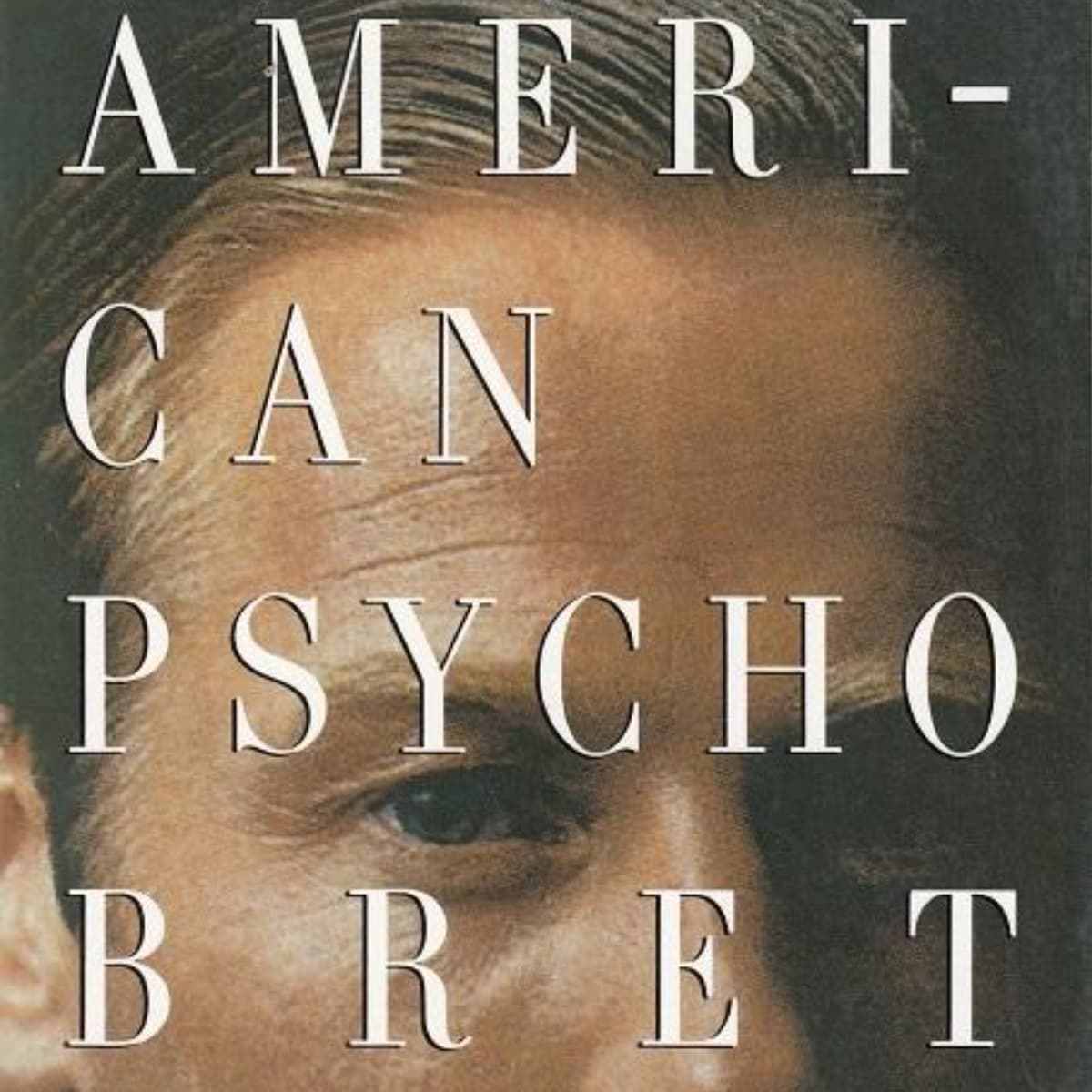
In the glimmering excess of 1980s Manhattan, where power suits and privilege reign, Bret Easton Ellis's "American Psycho" thrusts readers into the twisted psyche of Patrick Bateman—Wall Street mogul by day, gruesome killer by night. As Bateman navigates upscale restaurants and exclusive clubs, his life becomes a chilling commentary on rampant consumerism and moral vacuity. Behind his polished exterior lies a hollow soul, revealing how the obsession with status can mask deep-seated emptiness. The narrative exposes the dissonance between appearance and reality, inviting readers to confront the dark corners of ambition and identity. In a world steeped in superficiality, Ellis’s tale serves as both a satire and a warning, reminding us that the pursuit of the superficial can lead to horrifying consequences—not just for the individual, but for society at large. It’s a haunting reflection on humanity’s capacity for evil cloaked in luxury.
Chapter 1:What Is American Psycho
American Psycho is a novel by Bret Easton Ellis published in 1991. It is a satirical commentary on the excesses of 1980s yuppie culture in New York City, told through the perspective of Patrick Bateman, a wealthy investment banker who leads a double life as a serial killer.
Assessment of "American Psycho" Based on Various Criteria
1. Depth and Accuracy of Content: The novel provides a chilling, detailed exploration of consumerism, identity, and morality. It captures the superficiality of the era effectively. While its depiction of violence is exaggerated and fictional, it accurately reflects the disconnection and alienation felt in modern urban life.
2. Originality: The book is considered highly original in its approach, blending horror and satire. The unreliable narrator and the juxtaposition of mundane, materialistic dialogue with horrific acts distinguish it from traditional narratives.
3. Organization: The structure of the novel is non-linear and fragmented, mirroring Bateman's chaotic mind. This style can be disorienting for some readers, but it effectively immerses them in the character's psychological state.
4. Readability: While the prose is often crisp and clear, the graphic violence and explicit content may challenge some readers. The satirical tone may also require some readers to unpack cultural references, which can detract from straightforward readability.
5. Inspirational and Emotional Impact: The novel evokes a range of emotions, from horror to dark humor. It can inspire critical reflection on consumerism and identity, but its extreme violence may alienate or disturb some audiences.
6. Cultural and Social Impact: "American Psycho" has sparked significant discussion about masculinity, mental health, and the excesses of capitalism. Its influence can be seen in literature, film, and popular culture, where it has become a cultural touchstone.
7. Attention to Detail: Ellis is meticulous in his descriptions of fashion, lifestyle, and consumer products of the era, showcasing the obsession with materialism. This attention to detail enriches the satire.
8. Theme and Message: The book grapples with themes such as alienation, the emptiness of consumer culture, and the duality of human nature. Its critique of the moral vacuity of the wealthy and the ethics of violence is central to its message.
9. Critical Thinking: The novel encourages readers to critically assess societal norms and values. It challenges perceptions of morality, making readers question the line between sanity and insanity in a consumer-driven world.
10. References: Ellis integrates numerous cultural references that may enhance the text for those familiar with the era and its icons. This can add layers of meaning but may also distance readers less versed in those references.
11. Creativity and Artistry: The book's stylistic choices, including its dark humor and surreal elements, showcase Ellis’s creative prowess. The contrasts between Bateman’s mundane daily life and his horrific actions create a powerful artistic statement.
Conclusion
Overall, American Psycho is a complex, thought-provoking work that has garnered both acclaim and controversy. Its depth, originality, and cultural commentary make it a significant piece of literature, but its graphic content and fragmented structure may present challenges. Readers seeking a stark exploration of the darker sides of human nature and society may find it rewarding, while others may be repelled by its violence and stylistic choices.

Chapter 2:American Psycho chapters
"American Psycho" by Bret Easton Ellis is a satirical novel that explores themes of consumerism, superficiality, and the moral vacuity of the 1980s yuppie culture through the eyes of the protagonist, Patrick Bateman. Below is a chapter-wise summary:
Chapters 1-5:
- Introduction to Patrick Bateman: Bateman is a wealthy investment banker living in Manhattan during the late 1980s. The early chapters establish his obsession with status, appearance, and material possessions. He describes his daily routines, including his extensive grooming habits and tastes in music and fashion.
- Relationships: We see Bateman's interactions with colleagues and his girlfriend, Evelyn. He exhibits a facade of charm and sophistication, yet there are hints of his sociopathic tendencies.
- Inner Monologue: The narrative often shifts to Bateman's inner thoughts, where he reveals his disdain for the people around him and his increasing disconnect from reality.
Chapters 6-10:
- Violence Emerges: Bateman begins to recount violent fantasies and acts, contrasting sharply with his polished exterior. He describes gruesome acts of violence in detail, often juxtaposing them with mundane descriptions of his daily life.
- Social Commentary: Ellis delves into the superficial social interactions among the characters, highlighting the emptiness of their conversations, which often revolve around brands and social status.
Chapters 11-15:
- Escalation of Violence: Bateman's violent urges become more pronounced. He takes pleasure in torturing and murdering victims, including women and some of his peers. His identity begins to unravel as he becomes more consumed by his actions.
- Psychological Breakdown: The line between reality and Bateman's fantasies further blurs. His mental state deteriorates, indicated by increasingly erratic behavior and paranoia about being discovered.
Chapters 16-20:
- Social Interactions: Bateman continues to navigate his superficial social life, but his inner turmoil grows. He struggles with feelings of isolation and existential dread.
- Paranoia: The fear of being caught and the uncertainty over whether he is truly committing these acts of violence or merely imagining them intensify.
Chapters 21-25:
- Crisis Point: Bateman's life spirals as his grip on reality weakens. He encounters law enforcement and struggles with the notion of accountability for his actions.
- Increased Disconnection: He becomes more detached from those around him, feeling increasingly alienated from the world that once seemed so fulfilling.
Chapters 26-30:
- Confrontation with Identity: Bateman's fragmented sense of self leads to a crisis. He starts to question his own existence and morality, which reflects the novel's central themes.
- Ambiguity and Open Ending: The book concludes ambiguously, leaving readers questioning the reality of Bateman's actions and whether he will ever face consequences for his crimes.
Themes and Conclusion:
"American Psycho" serves as a critique of 1980s consumerism and moral indifference. Through Patrick Bateman’s chilling narrative, Ellis exposes the emptiness of a society obsessed with wealth and status. The novel's blend of dark humor, horror, and satire makes it both disturbing and thought-provoking. The ambiguity at the end invites readers to think critically about identity, morality, and the nature of evil.
In the world of literature, there are few books that spark as much debate and provoke as much thought as Bret Easton Ellis's "American Psycho." Set against the shimmering backdrop of 1980s Manhattan, the novel presents us with Patrick Bateman—a character who embodies the era’s excess, superficiality, and moral decay. But beyond the glib surface and chilling violence lies a complex theme that unfolds like a dark, twisted story itself. Let’s embark on a journey through the pages of "American Psycho" to uncover the complexities of identity, consumerism, and the grim reality of modernity.
As the story begins, we meet Patrick Bateman, a successful investment banker with an inexplicable urge to kill. At first glance, Bateman appears to be the quintessential yuppie—handsome, wealthy, obsessively fashion-conscious. Ellis paints his existence with vivid descriptions of designer brands, upscale restaurants, and the incessant buzz of social status. Yet, these details serve a purpose beyond mere depiction; they unveil the hollowness of a life built on material wealth and image.
Imagine yourself in Bateman's world, where the sounds of the city pulse like a heartbeat. In this dazzling landscape of Wall Street ruthlessness, Bateman is surrounded by colleagues who are equally consumed by their desires for recognition, luxury, and the approval of others. They engage in superficial conversations filled with name-dropping and brand comparisons, where empathy and connection are sacrificed at the altar of material success. Here lies one of the novel's key themes: the conflation of identity with possession. In Bateman's reality, a person's value is measured not by their character, but by their collection of high-priced items— a representation of status as chilling as Bateman’s own dark inclinations.
As we turn the pages, the narrative takes a horrifying turn. Bateman's violent fantasies serve as a stark contrast to his polished exterior. His brutal acts are not just a reflection of his fractured psyche but also a critique of an amoral society that idolizes success while ignoring the pain it inflicts on individuals. Ellis forces us to confront an unsettling question: What does it mean to be human in a world that is increasingly sanitized and detached? For Bateman, the violence becomes an outlet for his despair—a grotesque demonstration of his inability to connect in a world obsessed with appearance.
Through the lens of Bateman's psychological breakdown, Ellis explores the concept of alienation. Despite his wealth and status, Bateman is profoundly isolated, trapped in a cycle of indulgence and nihilism that leaves him adrift. The very society that elevates him also dehumanizes him, stripping away authentic human experiences and reducing relationships to mere transactions. This exploration of identity and connection raises another thought-provoking question: Can one truly find meaning in a culture that celebrates excess while simultaneously erasing the individual?
As we reach the climax of Bateman's story, the lines between reality and delusion become increasingly blurred. The reader is left grappling with the unreliable narrative, forcing us to examine our own perceptions of morality and humanity. Ellis masterfully crafts a tale that is as disorienting as it is insightful—encouraging us to reflect on our own complicity in a culture that frequently prioritizes the superficial over the substantive.
In conclusion, "American Psycho" is not merely a story about a deranged killer; it is a reflection of a larger societal malaise—a critique of the hollowness that often accompanies the pursuit of success. Through the unsettling lens of Patrick Bateman, Bret Easton Ellis invites us to confront the uncomfortable truths about our identities in a consumer-driven world. In this dark narrative, we find a cautionary tale that serves as a grim reminder: in the quest for status and self-worth, it’s crucial to remember that our identities are more than the brands we wear or the wealth we accumulate. Ultimately, "American Psycho" provokes us to ponder the true essence of humanity in an age of relentless consumption—a question that resonates as profoundly today as it did in the era it depicts.

Book Summary Audio Bookey https://www.bookey.app/audiobook/american-psycho
Quotes https://www.bookey.app/book/american-psycho/quote
YouTube https://www.youtube.com/watch?v=j0Ev5ClG7c4
Amazon https://www.amazon.com/American-Psycho-Bret-Easton-Ellis/dp/0679735771
Goodreads https://www.goodreads.com/book/show/28676.American_Psycho