
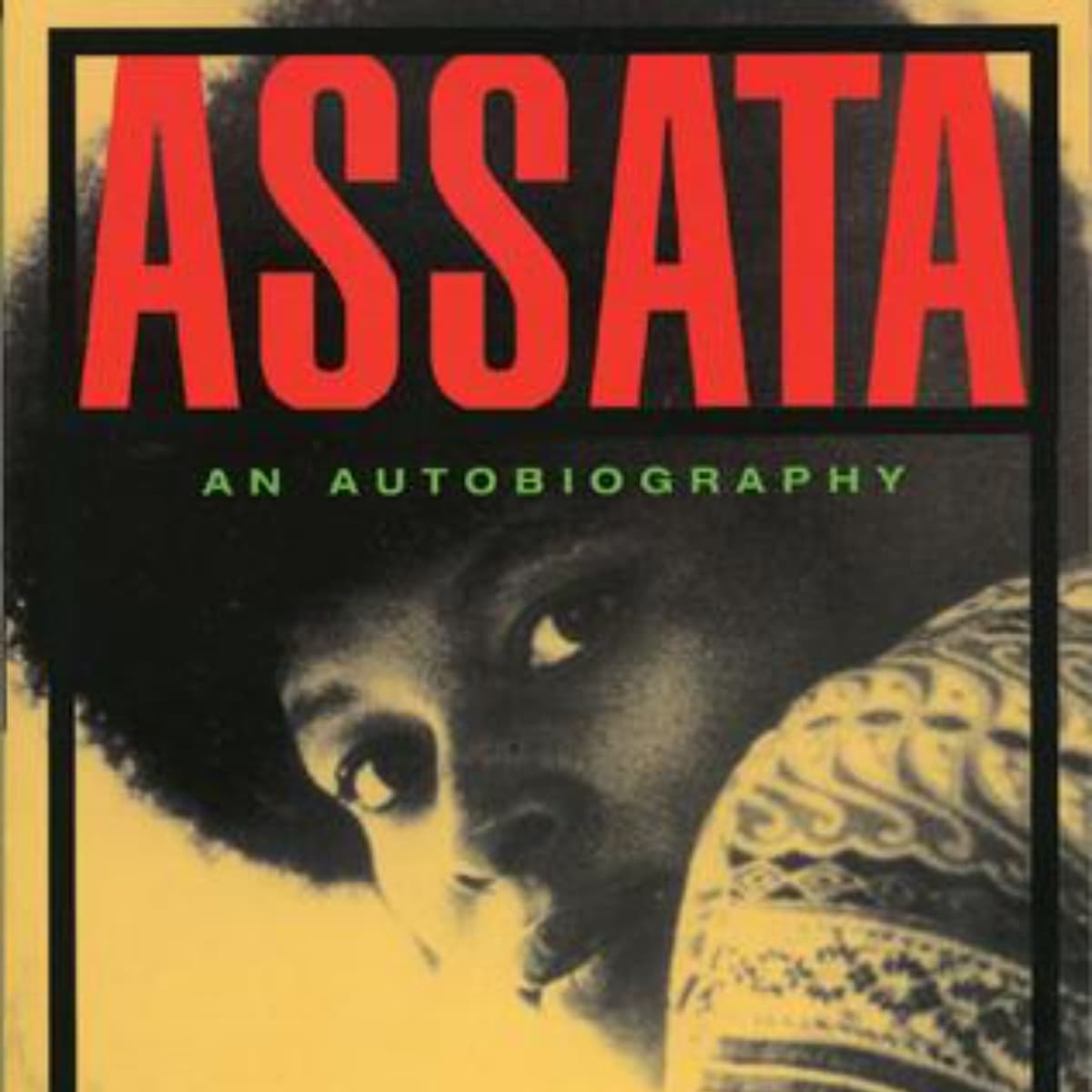
In "Assata," Assata Shakur unveils her harrowing journey from a young girl in the heart of the Bronx to a prominent figure in the Black Liberation movement. Through vivid storytelling, she reveals the systemic racism and oppression she faced, illuminating the struggle for justice and identity. Assata's narrative exposes the intersection of race, class, and gender, showcasing the relentless pursuit of freedom against formidable odds. Her life becomes a powerful commentary on the resilience of the human spirit and the necessity of activism. With each page, readers are invited to reflect on the personal and political dimensions of her experiences, urging them to confront the ongoing realities of inequality. Ultimately, "Assata" serves not only as a memoir but as a clarion call for justice, echoing the timeless fight against tyranny in all its forms. Through Assata's eyes, we glimpse the undying hope for a better tomorrow.
Chapter 1:What Is Assata
What Is "Assata"?
"Assata" is the autobiography of Assata Shakur, a former member of the Black Panther Party and the Black Liberation Army, who gained notoriety in the 1970s after being arrested and charged with the murder of a state trooper. The book recounts her life story, her political activism, her time in prison, and her eventual escape to Cuba, where she currently lives in exile.
Evaluation Based on Various Criteria:
1. Depth and Accuracy of Content:
The book provides a personal and detailed account of Shakur’s life, including her experiences with systemic racism, police brutality, and the civil rights movement. While some may challenge aspects of her narrative, particularly around the events leading to her arrest, it offers a perspective that unveils the complexities of race relations in America.
2. Originality:
As a first-person narrative from a prominent figure in the Black liberation movement, the book is original both in its content and its voice. Shakur’s perspective as a Black woman in a revolutionary context adds a unique dimension to the discourse on race, gender, and politics.
3. Organization:
The book is organized chronologically, beginning with Shakur’s childhood and moving through her political activism, arrest, and eventual escape. This structure allows readers to follow her life journey cohesively, although some may find jumps in time periods can occasionally be disorienting.
4. Readability:
Shakur’s writing style is direct and emotive, making it accessible to a wide audience. The personal tone draws readers in, even as it tackles complex themes.
5. Inspirational/Emotional Impact:
"Assata" is often heralded as inspirational, especially for those who resonate with her struggles and activism. Shakur's story of resilience in the face of oppression evokes strong emotional responses, especially regarding the systemic challenges faced by marginalized communities.
6. Cultural and Social Impact:
The book contributes significantly to discussions around racism, political dissent, and the historical context of the civil rights movement. It has sparked discussions about the legacy of political prisoners in America and continues to resonate with contemporary social justice movements.
7. Attention to Detail:
Shakur’s attention to detail is evident in her vivid recounting of events, her reflections on her upbringing, and her descriptions of the political climate of her time. However, some critics argue that this detail can be perceived as selective.
8. Theme and Message:
Major themes include resistance against oppression, the quest for identity, and the critique of systemic racism and injustice. Shakur’s messages champion empowerment and the necessity of fighting for one’s rights, which resonate strongly with current social justice movements.
9. Critical Thinking:
The book encourages readers to think critically about historical narratives, the portrayal of political dissidents, and the societal structures underpinning racism and injustice. It invites readers to question mainstream historical accounts, particularly those regarding civil rights and activism.
10. References:
While the book contains anecdotal evidence and personal experiences rather than academic references, it provides valuable insight into the struggles of activists. However, scholars seeking rigorous citations may find it lacking in this regard.
11. Creativity and Artistry:
Shakur's narrative style reflects a blend of personal storytelling and political discourse, exhibiting creativity in how she juxtaposes her personal experiences with broader historical context. The poetic elements of her writing enhance its artistic appeal.
Conclusion:
"Assata" is a potent autobiography that captures the complexities of Assata Shakur’s life and activism. It excels in emotional and cultural impact while inviting critical reflection on the broader social issues it addresses. The book is recommended for those interested in civil rights, activism, and personal narratives of resistance against oppression.

Chapter 2:Assata chapters
"Assata: An Autobiography" is the life story of Assata Shakur, a prominent African American civil rights activist and member of the Black Panther Party. In this autobiography, written in the first person, Shakur details her experiences and perspectives from her childhood to her time as a fugitive.
Chapter Summaries:
1. Childhood and Early Years: Shakur reflects on her upbringing in New York City and the role her family played in shaping her identity. She discusses her experiences with racism and the impact of the civil rights movement during her formative years.
2. Awakening to Activism: Assata describes her journey into activism, influenced by various social movements and important figures. She shares her experiences at college, the friendships she formed, and her growing awareness of social injustices.
3. Joining the Black Panther Party: This chapter covers her involvement with the Black Panther Party, highlighting the group’s mission, challenges, and the radical nature of their activism. Shakur notes how this experience shaped her political beliefs.
4. Life on the Run: Assata describes her life as a fugitive after being charged with various crimes, including murder. She recounts the tension and fear of evading law enforcement while continuing her fight for justice.
5. Trial and Incarceration: Shakur details the courtroom proceedings against her, capturing the racism and unfair treatment she faced. She offers insight into the legal system and the obstacles that marginalized individuals encounter.
6. Escape and Exile: This chapter chronicles Shakur's escape from prison, her journey to Cuba, and the sense of freedom she experiences in exile. She reflects on her connection to the African diaspora and the significance of her escape.
7. Reflections on Black Liberation: In the final chapters, Shakur reflects on the broader struggles for Black liberation, injustice, and equality. She emphasizes the importance of resistance and solidarity in the fight for human rights.
8. Legacy and Continuing the Fight: The autobiography concludes with Shakur’s views on her legacy and the ongoing fight for justice for marginalized communities. She emphasizes the need for vigilance and resistance against systemic oppression.
Assata Shakur’s narrative provides personal insights into her life as an activist, her struggles against systemic injustice, and her enduring commitment to the fight for freedom and equality. The book serves as both a memoir and a call to action, urging readers to understand the complexities of race, class, and resistance in America.
Title: Echoes of Resistance: A Journey Through "Assata" by Assata Shakur
In the heart of Brooklyn, where subway trains rattle the earth and dreams of justice intertwine with the rhythm of city life, there lived a young woman named Joann. She often found herself lost in the pages of her favorite books—each story a window into worlds that spoke of struggle, identity, and resilience. One fateful afternoon, she stumbled upon a book that would alter her perception forever: Assata by Assata Shakur.
Joann had heard murmurs about the book; it was more than just a memoir; it was a manifesto, a chronicle of a life lived on the edges of society, a tale woven with threads of passion, pain, and fierce resistance. With anticipation fluttering in her chest, she opened the cover, ready to embark on a journey unlike any other.
As the words of Assata Shakur flowed through her, Joann was captivated by the themes that blossomed from each page. One prominent theme stood tall like a beacon of hope: the unabashed quest for justice and identity. Assata’s narrative was not merely a recount of her life as a political activist; it was a testament to the struggles faced by Black Americans, a passionate exploration of the systemic oppression that continued to pervade society.
Joann was particularly struck by Shakur’s unwavering commitment to her ideals. Through the trials she faced, from her involvement with the Black Panther Party to the harrowing moments of her incarceration, Assata’s story illustrated the power of resilience. It became clear to Joann that resistance was not simply an act of defiance; it was a necessary cry for recognition, for humanity, for existence itself.
As she flipped through the pages, Joann learned about the importance of community and solidarity. Shakur emphasized that individual struggles are intertwined with collective experiences, a lesson that resonated deeply within Joann’s heart. She realized how crucial it was to foster connections, to understand that the fight for justice is a shared one. This was embodied not just in Assata’s words but in the communal gatherings that rallied around shared ideals and collective strength.
In the quiet moments between chapters, Joann pondered the theme of identity that loomed over Shakur’s narrative. Written with brutal honesty, Assata confronted the pain of her marginalized existence, navigating her identity as a Black woman in a world that sought to suppress her voice. She articulated a longing for authenticity—a desire to be seen and heard beyond the barriers society imposed. Joann found herself reflecting on her own struggles with identity, realizing that Shakur's exploration of self was a mirror reflecting her battles, her triumphs, and her dreams.
Ultimately, what lingered with Joann long after she put down the book was the theme of hope. Through Shakur's encounters with violence, betrayal, and the weight of injustice, a profound hope emerged, forged in the fires of struggle. Assata’s narrative was a reminder that even in the darkest of times, the spirit of resistance could illuminate paths toward liberation. It was this message that invigorated Joann, propelling her to engage in her community, to challenge injustices in her own life, and to never shy away from her passion for activism.
As she closed the book, Joann felt transformed. The story of Assata Shakur was not just a tale of one woman's fight for freedom; it was an anthem for all who dared to dream of a better world. Filled with passion and purpose, Joann vowed to carry the lessons of Assata into her own life, embarking on a journey of awareness, empathy, and unyielding resistance.
In her heart, she understood that the echoes of Shakur's struggle would continue to resonate through generations—inviting others to join the chorus of change, to lift their voices in pursuit of justice, and to embrace their identities with pride.
Thus, through the lens of Assata Shakur’s memoir, Joann learned that the fight for justice, identity, and hope is not just the responsibility of the few, but a call to action for all. And so, with renewed determination, she stepped out into a world waiting to be changed—knowing full well that the resistance was just beginning.

Book Summary Audio Bookey https://www.bookey.app/audiobook/assata
Quotes https://www.bookey.app/book/assata/quote
YouTube https://www.youtube.com/watch?v=sWmKavsU8qg
Amazon https://www.amazon.com/Assata-Autobiography-Shakur/dp/1556520743
Goodreads https://www.goodreads.com/author/show/57925.Assata_Shakur