
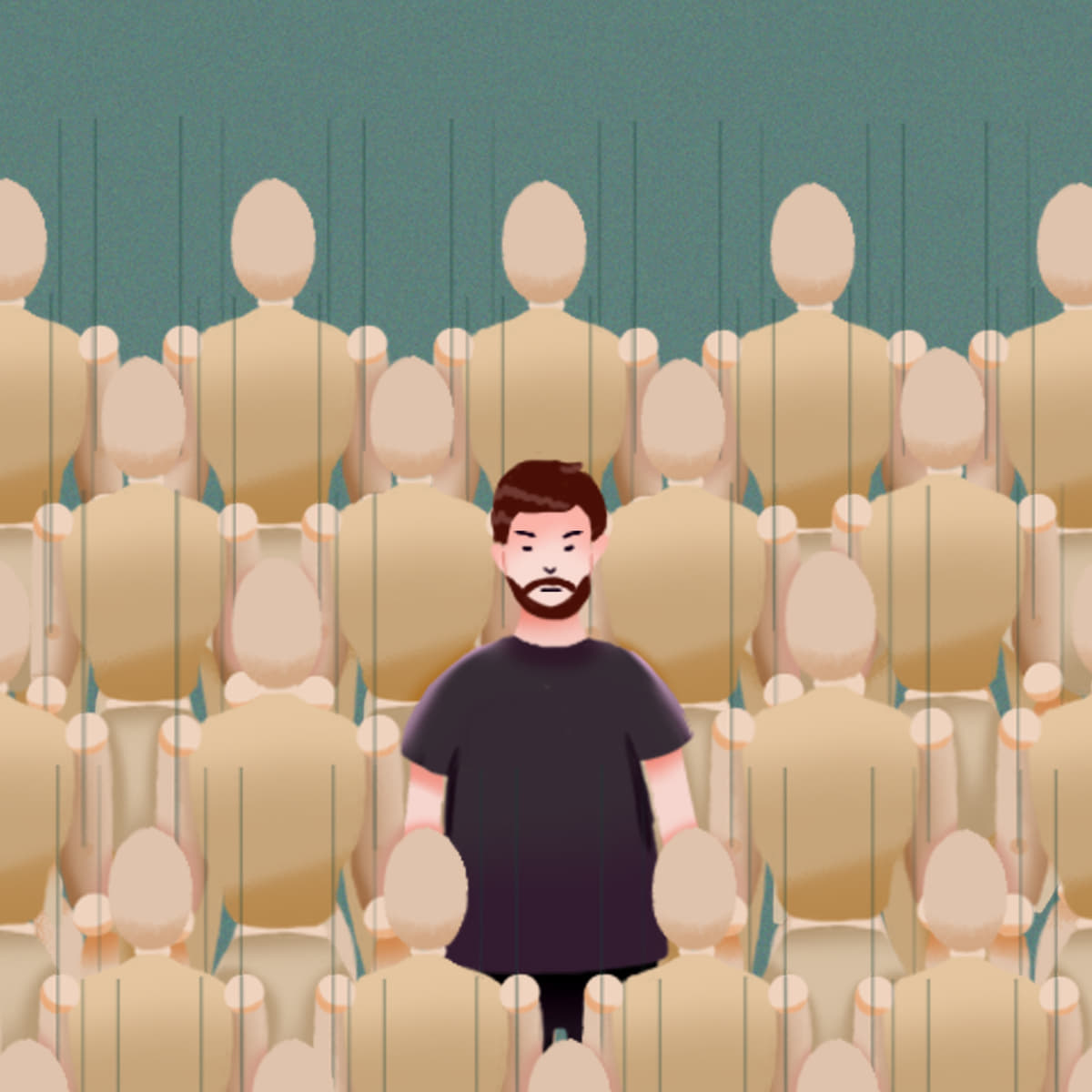
Chapter 1:What is Brave New World mainly about
"Brave New World" is a dystopian novel written by Aldous Huxley and published in 1932. It presents a future society where technological advancements and the pursuit of happiness have resulted in a highly controlled and dehumanized world.
The story is set in a futuristic London, called the World State, where citizens are genetically engineered and conditioned from birth to fulfill specific roles in society and maintain stability. Central themes revolve around the loss of individuality, the suppression of emotions, and the consequences of a society obsessed with pleasure and instant gratification.
The novel follows the characters Bernard Marx and John the Savage as they navigate this controlled world. Bernard, an outsider within the society, questions the suffocating conformity and seeks deeper connections. John, born outside the World State and raised on a native reservation, struggles with his identity and clashes with the values of this new world. Through their experiences, the novel explores the tension between personal freedom and societal control, the nature of happiness, and the dangers of sacrificing humanity for stability.
"Brave New World" serves as a cautionary tale, warning against the potential dangers of a society that sacrifices individuality, critical thinking, and authentic human connection in favor of comfort and superficial happiness. It presents a chilling portrayal of a world that may seem utopian on the surface but ultimately lacks the richness and depth of genuine human experience.
Chapter 2:Is Brave New World Scarier Than 1984
Determining which novel, "Brave New World" or "1984," is scarier is subjective and depends on individual interpretations. Both books present distinct visions of dystopian societies.
In "Brave New World," the world is controlled through pleasure, consumerism, and genetic engineering. People are conditioned to be content with their assigned roles and live in a seemingly peaceful society. The fear lies in the loss of personal freedom, the dehumanization of individuals, and the absence of authentic human connections.
On the other hand, "1984" depicts a totalitarian regime ruled by Big Brother, where surveillance, censorship, and thought control dominate every aspect of life. The fear in this novel stems from constant surveillance, manipulation of truth, and the eradication of personal privacy and freedom.
The scariness of each book depends on one's personal fears and concerns. Some may find the loss of individuality and emotional depth depicted in "Brave New World" to be more unsettling, while others may be more disturbed by the constant surveillance and manipulation in "1984."
Both novels serve as cautionary tales, warning of the dangers of oppressive societies. They highlight the importance of preserving personal freedoms, critical thinking, and resisting authoritarian control. Ultimately, the scariness of each book is subjective and can vary from reader to reader.
Chapter 3:Why was Brave New World cancelled
If there has been any recent development regarding the cancellation of a specific adaptation of "Brave New World," it may be best to refer to reliable entertainment news sources or official announcements directly from the production or broadcasting companies involved for accurate and up-to-date information.