
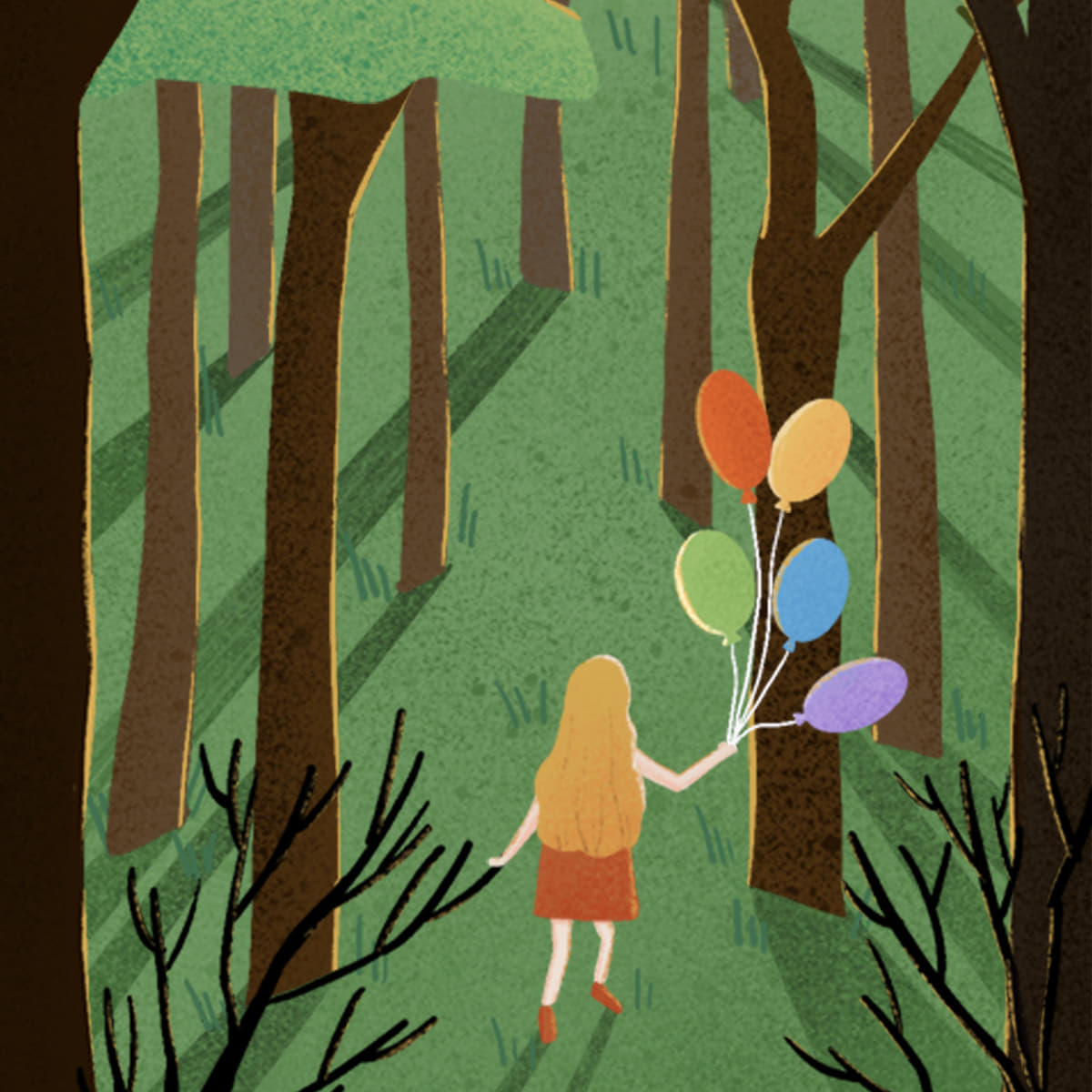
How does the book address the importance of unstructured play in nature for children?
The book emphasizes the importance of unstructured play in nature for children by highlighting the numerous benefits it provides. It argues that unstructured play in nature allows children to use their imagination, creativity, and problem-solving skills. It also promotes physical activity, healthy development, and a deep connection with the natural world. The book suggests that unstructured play in nature is essential for children's overall well-being and development, and encourages parents and caregivers to prioritize outdoor play in their children's daily lives.
How does the author address concerns about safety and supervision when children play outdoors?
The author ensures that concerns about safety and supervision when children play outdoors are addressed by emphasizing the importance of parental involvement and setting clear boundaries. They suggest that parents should establish rules for outdoor play, such as never playing near roads or bodies of water without adult supervision. The author also recommends that parents periodically check on their children while they are playing outside to ensure their safety. Moreover, the author advocates for creating a safe outdoor play environment by removing potential hazards and providing appropriate safety gear for activities such as biking or skateboarding.Overall, the author emphasizes the importance of open communication between parents and children about safety concerns when playing outdoors to ensure a safe and enjoyable play experience.
What potential solutions does the book offer for reversing the trend of nature-deficit disorder in children?
- Encouraging children to spend more time outdoors, engaging in unstructured play in nature.
- Providing opportunities for children to connect with and learn about the natural world through programs such as environmental education classes, nature camps, and outdoor activities.
- Limiting screen time and technology use, in order to free up more time for outdoor play and exploration.
- Creating more green spaces and parks in urban areas, to make it easier for children to access and interact with nature.
- Emphasizing the importance of connecting with the natural world for overall health and well-being, and incorporating nature-based activities into daily routines.
- Educating parents and caregivers about the benefits of nature for children's physical, mental, and emotional development, and encouraging them to prioritize outdoor experiences for their children.
- Advocating for policies and initiatives that support increased access to nature for all children, regardless of socioeconomic status or location.