
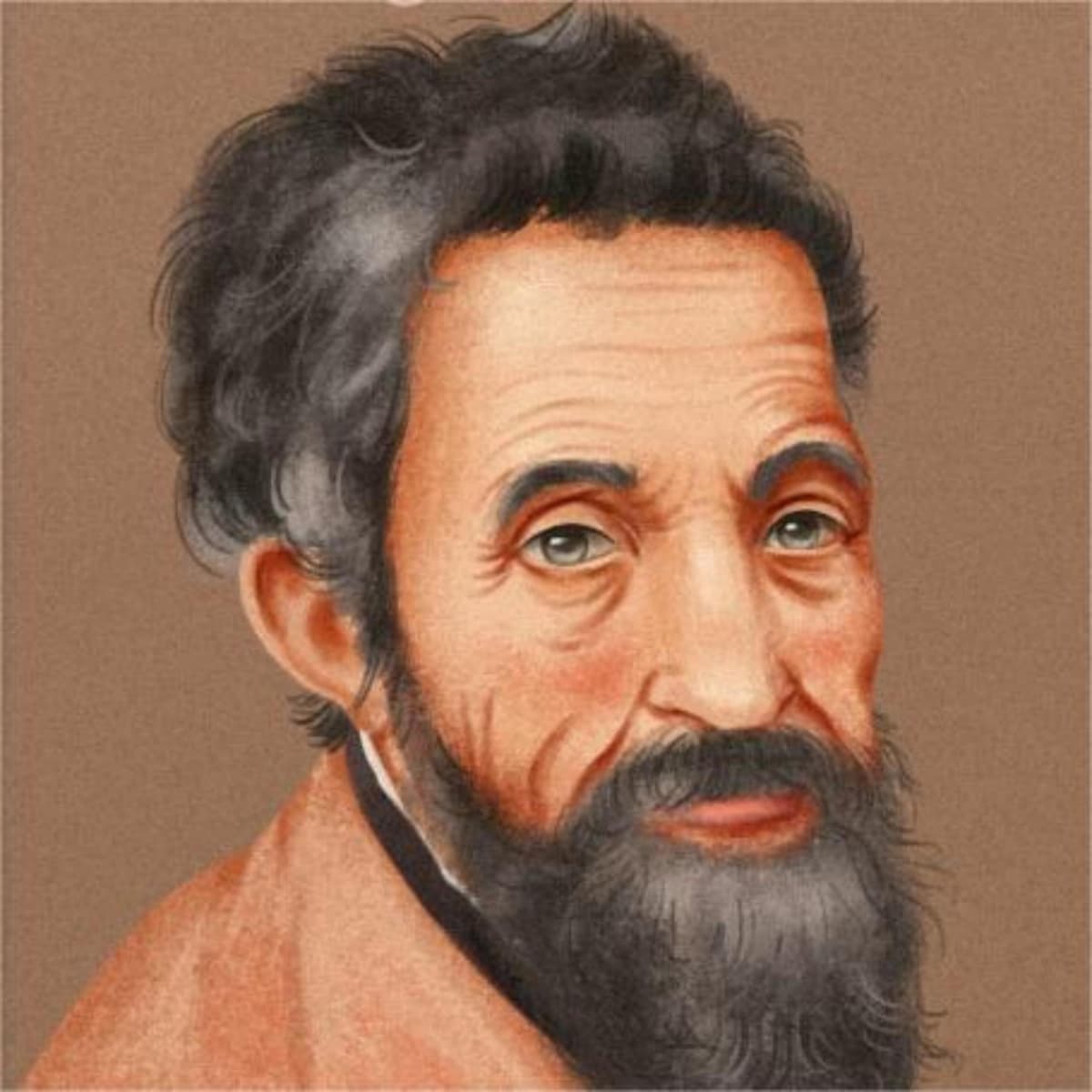
How does the author convey the emotional struggles and personal sacrifices Michelangelo makes in pursuit of his art in The Agony And The Ecstasy?
The author of The Agony and The Ecstasy, Irving Stone, conveys Michelangelo's emotional struggles and personal sacrifices through vivid descriptions of the artist's internal thoughts and feelings, as well as his interactions with other characters. The book delves into Michelangelo's constant inner conflict between his passion for his art and the demands placed on him by his patrons, family, and society.
Stone also depicts the physical toll that Michelangelo's dedication to his art takes on him, including his poor living conditions, lack of proper rest, and neglect of his personal relationships. The author portrays Michelangelo's constant self-doubt and anxiety about his work, as well as his relentless drive to create masterpieces despite the obstacles in his path.
Throughout the novel, Stone highlights the sacrifices that Michelangelo makes in pursuit of his art, including his decision to live a solitary life devoted solely to his work, as well as his willingness to endure physical and emotional pain for the sake of his creative vision. By exploring Michelangelo's inner turmoil and external struggles, Stone provides a nuanced and compelling portrayal of the artist's commitment to his craft and the personal costs of his artistic pursuits.
How does the novel address the relationship between art and politics in Renaissance Italy?
In the novel, the relationship between art and politics in Renaissance Italy is explored through the characters and their interactions. The novel highlights how art was used as a tool for political propaganda and power, with wealthy patrons commissioning artwork to showcase their status and influence. Artists were often employed by powerful political figures to create works that promoted their ideologies and agendas.
Additionally, the novel delves into the tensions between artists and the political elite, as artists struggled to maintain their creative independence while navigating the demands of their patrons. The novel also examines how art could be used as a form of resistance against political oppression, with artists using their work to challenge authority figures and promote social change.
Overall, the novel portrays the complex and often fraught relationship between art and politics in Renaissance Italy, illustrating how art was both a reflection of and a catalyst for political power and influence.
How does Michelangelo's relationship with his patrons, such as Pope Julius II, influence his creative process in the novel?
In the novel, Michelangelo's relationship with his patrons, particularly Pope Julius II, greatly influences his creative process. Pope Julius II was a powerful and demanding patron who had a significant impact on Michelangelo's work. The pope's ambitious vision for the Sistine Chapel ceiling and other projects pushed Michelangelo to new heights of artistic achievement.
Michelangelo's relationship with his patrons also influenced his creative decisions and style. For example, the pope's preference for grand, monumental works led Michelangelo to create larger-than-life sculptures and frescoes that showcased his skill and mastery of the human form.
Additionally, Michelangelo's interactions with his patrons provided him with valuable feedback and guidance that helped shape his artistic vision. The support and encouragement of patrons like Pope Julius II allowed Michelangelo to explore new ideas and techniques, ultimately leading to some of his most famous and impactful works of art.