
What happens at the end of Don Quixote?
At the end of Don Quixote, the protagonist, Don Quixote, becomes disillusioned and decides to give up his chivalrous delusions. He renounces his identity as a knight and eventually falls severely ill. On his deathbed, he regains his sanity and renounces his fantasies, acknowledging himself as Alonso Quijano once again. He also asks for forgiveness for the trouble he has caused and reconciles with his loyal squire, Sancho Panza. Don Quixote passes away peacefully, surrounded by friends and family. The novel ends with a reflection on the power of illusion and the importance of maintaining a balance between reality and imagination.
What is the basic story of Don Quixote?
Don Quixote, written by Miguel de Cervantes, is a classic Spanish novel published in two parts in 1605 and 1615. It narrates the story of a nobleman named Alonso Quixano who becomes so obsessed with tales of chivalry and knights that he loses his sanity and transforms into the deluded character of Don Quixote.
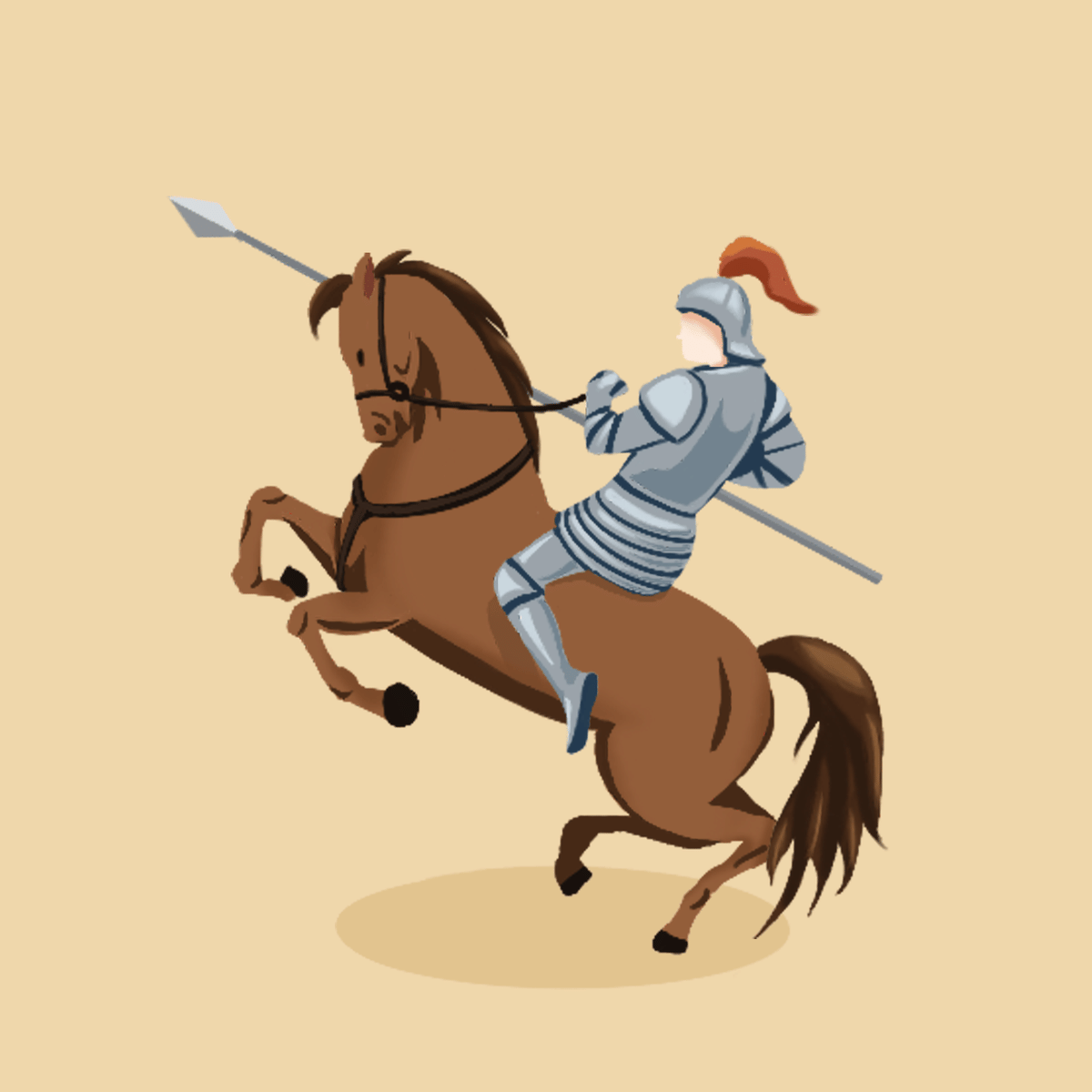
Don Quixote is convinced that he must revive chivalry and become a knight-errant himself. He adorns an old suit of armor, renames himself Don Quixote, and sets off on an adventurous quest with his loyal but simple-minded squire, Sancho Panza.
Throughout their journey, Don Quixote embarks on a series of absurd and comical exploits, mistaking windmills for giants, inns for castles, and herds of sheep for marauding armies. He constantly battles imaginary foes, believing he is destined to save the world and win the heart of his beloved Dulcinea del Toboso, who is, in reality, a peasant woman named Aldonza Lorenzo.
Don Quixote's antics often result in humiliation and ridicule, yet he remains unwavering in his pursuit of knightly adventures. As the story progresses, the characters around Don Quixote, including his niece and friends, attempt to bring him back to reality, but he remains steadfast in his idealistic knightly pursuits.
Ultimately, the novel explores the themes of illusion and reality, idealism and disillusionment, and the power of imagination. It is a satirical and humorous critique of the romanticized notions of chivalry, while also portraying the indomitable spirit of the human imagination.
What is the moral lesson of Don Quixote?
- The danger of delusion: Don Quixote's obsession with chivalry and his belief that he is a knight leads to numerous absurd and dangerous situations. The moral lesson here is the importance of living in reality and not becoming consumed by delusions or fantasies.
- The power of imagination: Despite his delusions, Don Quixote's imaginative spirit allows him to see the world differently. This teaches the lesson that an active imagination can bring joy and excitement to life, even if it is sometimes misguided.
- The value of kindness and empathy: Don Quixote often shows kindness and compassion towards others, even in his deluded state. This highlights the importance of treating others with respect, regardless of their social status or circumstances.
- The importance of pursuing one's dreams: Don Quixote is determined to live out his dream of being a knight, regardless of how impractical or unrealistic it may seem. This lesson encourages readers to pursue their own dreams and passions, even if others may view them as foolish.
- The power of storytelling: Don Quixote's story is ultimately a testament to the power of storytelling, as his adventures inspire others and leave a lasting impact. This emphasizes the role of literature and imagination in shaping our lives and the world around us.