
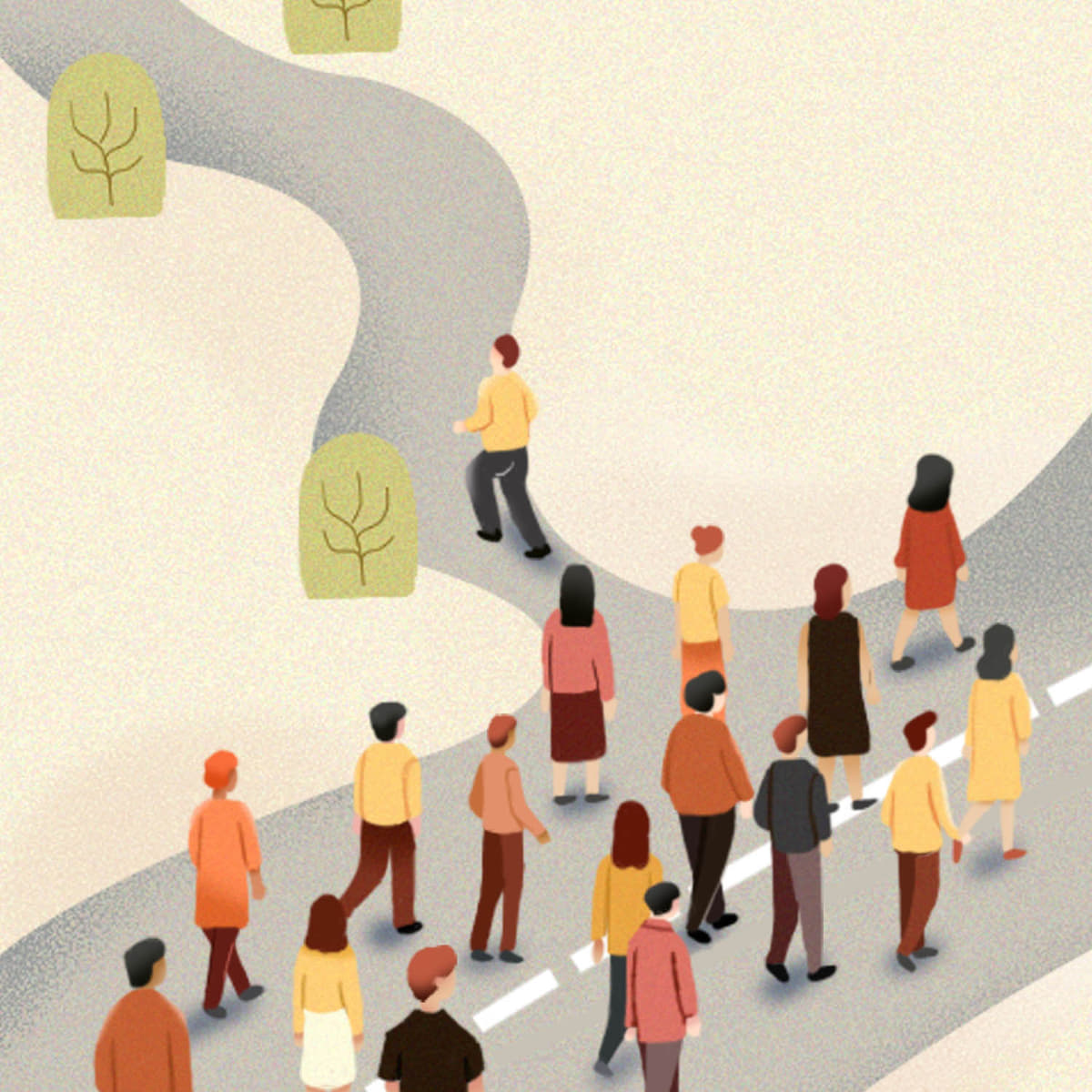
Why did author choose the road less traveled?
The phrase "the road less traveled" originates from Robert Frost's poem "The Road Not Taken." In the poem, the speaker is faced with a decision between two paths in a forest. Most people would likely choose the more commonly traveled path, but the speaker decides to take the road less traveled.
The author chooses the road less traveled as a metaphor for making unconventional choices and taking the path of individuality. It represents the idea of taking a path that is less popular or commonly followed by others. By making this choice, the author seeks to experience something different, unique, or unexpected, as well as embrace their independent nature.
The decision to take the road less traveled can be seen as a symbol of personal growth, self-discovery, and the courage to deviate from societal norms or expectations. It also reflects the author's desire to avoid conformity and pursue their own journey, even if it means facing challenges or uncertainty along the way.
Ultimately, choosing the road less traveled is about embracing one's individuality and being willing to take risks and explore new possibilities. It is a reflection of the author's desire for a more fulfilling and authentic life experience, rather than settling for the more conventional path that others might choose.
The Road Less Traveled book summary
The Road Less Traveled is a self-help book written by M. Scott Peck, published in 1978. It explores various aspects of personal growth, relationships, and spiritual development, offering practical advice on how to navigate through the challenges of life.
The book is divided into four parts, each focusing on different themes. Part one discusses discipline and the importance of taking responsibility for one's actions and choices. Peck emphasizes the need to confront and solve problems rather than avoiding or denying them. He explains that by embracing challenges, individuals can achieve personal growth and fulfillment.
Part two delves into the topic of love and relationships. Peck argues that true love is a conscious choice, rather than a feeling or a result of fate. He explores the stages of love, discussing the importance of communication, respect, and understanding in maintaining healthy and fulfilling relationships.
In part three, the author explores religion and spirituality. Peck argues that a genuine spiritual path requires discipline, effort, and dedication. He discusses the concept of "grace" and how embracing a spiritual life can lead to inner peace and a sense of purpose.
Finally, part four focuses on the concept of "the will." Peck explores the various ways in which people avoid dealing with their problems, such as blaming others, procrastination, and avoidance. He encourages readers to confront their fears and take responsibility for their decisions in order to lead fulfilling lives.
Overall, The Road Less Traveled encourages readers to embrace personal growth, confront challenges, take responsibility for their choices, maintain healthy relationships, and explore spirituality. It provides practical advice and insights for individuals seeking a more meaningful and purposeful life journey.
The Road Less Traveled book chapters
1.Discipline: The First Step to Spiritual Growth
In this chapter, Peck discusses the importance of discipline as a fundamental component of personal growth. He emphasizes the need for individuals to take responsibility for their own lives, establish healthy habits, and make conscious choices that align with their values.
2.Love: The Foundation of Personal Growth
This chapter explores the concept of love as the driving force behind personal growth. Peck explains that love is an action, not just a feeling, and the ability to truly love is essential for self-awareness, healthy relationships, and a sense of purpose in life.
3.Growth and Religion
Peck explores the relationship between personal growth and religious or spiritual beliefs. He examines different religious traditions and highlights the importance of a genuine spiritual connection, rather than blindly following religious practices.
4.Grace
In the final chapter, Peck discusses the concept of Grace, which he defines as the force that facilitates personal growth and transformation. He emphasizes the role of surrendering to a higher power and accepting life's challenges as opportunities for growth and learning.
Additionally, the book also includes an introductory chapter where Peck presents an overview of the book's main themes and a concluding chapter that summarizes his key points and offers final insights on the journey of personal growth.