
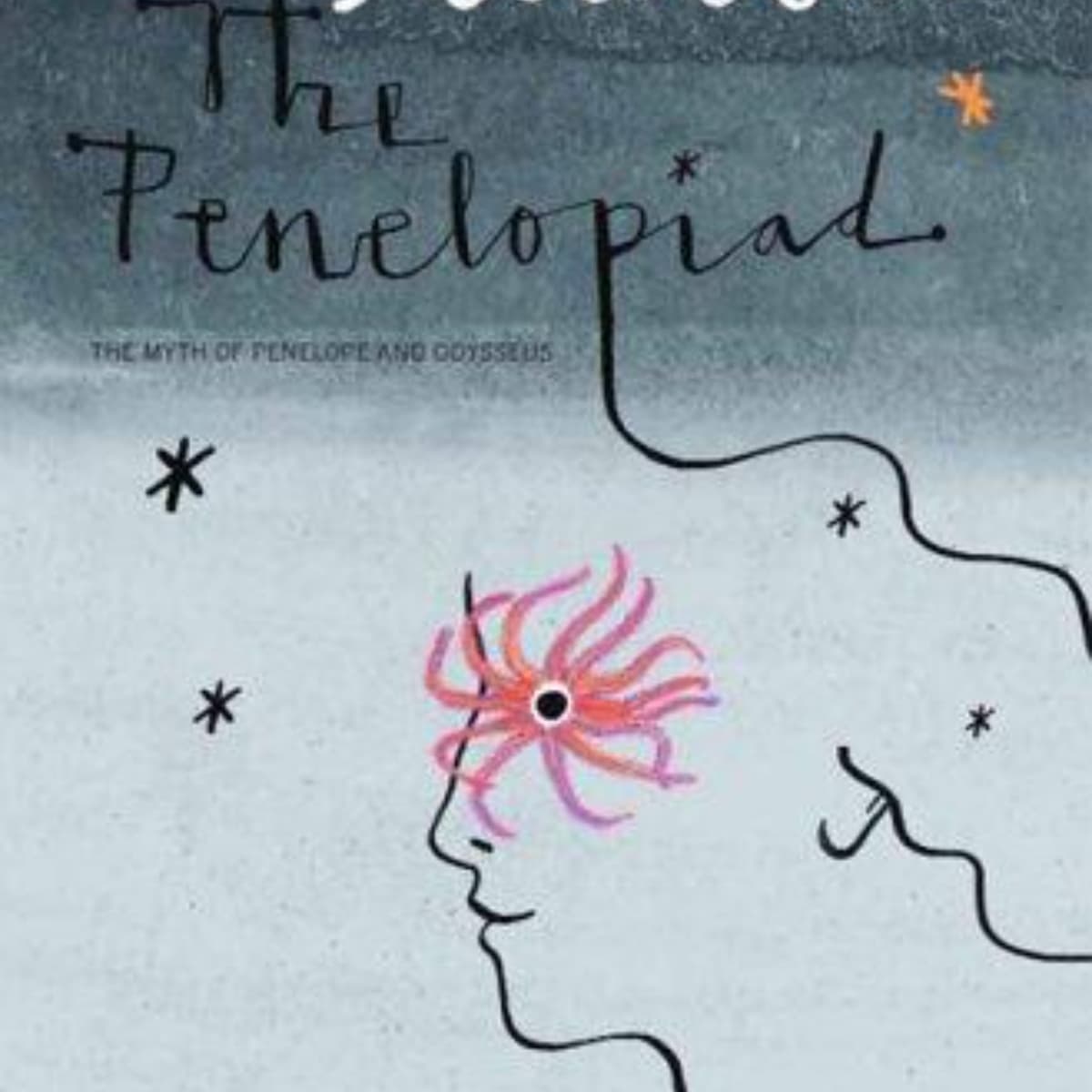
In The Penelopiad, Margaret Atwood reimagines the timeless tale of Odysseus through the eyes of his wife, Penelope. Stranded for years by her husband's absence, Penelope's narrative reveals the hidden depths of her character, challenging the notion of passive waiting. By weaving her tale with threads of wit and wisdom, Atwood transforms Penelope from a silent figure into a voice of resilience and cleverness.
The theme of female agency runs strong as Penelope navigates the treachery of suitors and the intricacies of her own desires. Through rich symbolism and a chorus of hanged maids, the story critiques the patriarchal society that often diminishes women’s experiences. Ultimately, The Penelopiad is a powerful exploration of identity, loyalty, and the strength found in storytelling itself, urging readers to reconsider the roles women play in history—both spoken and unspoken.
Chapter 1:What Is The Penelopiad
The Penelopiad is a novella by Margaret Atwood that retells the story of the Odyssey from the perspective of Penelope, the wife of Odysseus, and the twelve maids hung for their perceived disloyalty. Atwood reimagines the characters and events, providing a feminist lens on the classical text.
Depth and Accuracy of Content
Atwood's reinterpretation offers depth by exploring historical and mythological perspectives, incorporating feminist theories into the narrative. While not strictly adhering to the original text, it is accurate in presenting the motivations and emotions of Penelope and the maids.
Originality
The Penelopiad is highly original, as it brings forth an often-ignored voice in the traditional telling of the Odyssey. Atwood’s approach of giving a voice to Penelope and the maids sets this work apart from typical retellings.
Organization
The novella is well-organized, blending Penelope’s narrative with the voices of the maids. The structure alternates between Penelope’s reflections and the collective commentary from the maids, effectively building tension and providing depth to the story.
Readability
Atwood's prose is accessible and engaging. The language is lyrical yet straightforward, allowing readers to immerse themselves in Penelope’s voice without being bogged down by overly complex language.
Inspirational Emotional Impact
The emotional impact is profound, as the story delves into themes of loyalty, betrayal, and the female experience in a patriarchal society. Penelope's struggles and the maids' plight resonate deeply, generating empathy and reflection.
Cultural and Social Impact
The Penelopiad challenges traditional narratives and has significant cultural and social implications. Through its feminist perspective, it invites re-examination of classical texts and the roles of women in literature and history.
Attention to Detail
Atwood demonstrates keen attention to the details of characters and settings. The nuances of emotion, the relationships between characters, and the historical context are intricately woven into the narrative, enhancing the reader’s understanding.
Theme and Message
The novella explores themes of gender, power, loyalty, and the subjectivity of truth. Atwood’s message underscores the importance of women’s voices and stories in history and literature, advocating for a reevaluation of traditional narratives.
Critical Thinking
The text encourages critical thinking by prompting readers to question established narratives and the roles assigned to women in both ancient and modern contexts. It serves as a commentary on the broader implications of storytelling.
References
While it is a work of fiction and reimagining, Atwood’s references to the original texts and mythological elements provide an intertextuality that enriches the reading experience. Readers may benefit from familiarity with the Odyssey, but it stands well on its own.
Creativity and Artistry
Atwood's creativity shines in her lyrical writing and the innovative structure of the story. The blend of myth with contemporary feminist themes showcases her artistry and ability to intertwine storytelling with profound social commentary.
In summary, The Penelopiad stands out as a significant work due to its originality, emotional depth, and cultural relevance, making it a worthwhile read for those interested in both literary exploration and feminist discourse.

Chapter 2:The Penelopiad chapters
"The Penelopiad" by Margaret Atwood is a retelling of the story of Penelope, Odysseus's wife, from her perspective. It reimagines her tale in the context of the events described in Homer's "The Odyssey," while also exploring themes of female agency, power dynamics, and the nature of storytelling. Below is a summary of key chapters and themes in "The Penelopiad":
Summary:
1. Introduction to Penelope: The story begins with Penelope, who introduces herself and the world she inhabits. She reflects on her life, marriage to Odysseus, and the events that transpired during his absence.
2. Penelope's Perspective on the Odyssey: Penelope presents her views on the men in her life, including Odysseus and the suitors vying for her attention during his absence. She critiques the traditional narrative and offers her insights on loyalty, love, and betrayal.
3. The Suitors and Their Treatment of Penelope: The narrative delves into the experiences of the suitors who invade her home, examining their behavior and the power dynamics at play. Penelope's struggles to maintain her autonomy and agency are highlighted.
4. The Role of the Maids: A significant part of the story involves the twelve maids who serve Penelope. Their voices are woven into the narrative, providing perspectives on their experiences and the hierarchical structures that define their lives. The fate of the maids raises questions about justice and morality.
5. Penelope's Cleverness and Deception: Penelope often uses her intelligence to cope with her situation. Her famous ruse of weaving a burial shroud for Odysseus’s father is a key point in the narrative, showcasing her cunning and resourcefulness.
6. Reflections on Death and Afterlife: Throughout the book, Penelope reflects on her life, her choices, and her understanding of love. The narrative also explores themes of death and what lies beyond, as Penelope interacts with the spirits of the dead.
7. The Return of Odysseus: Penelope recounts the return of Odysseus and the consequences that follow. She reflects on their relationship, the changes that have occurred, and the impact of his long absence.
8. Resolution and Reconciliation: The story concludes with Penelope’s acceptance of her life and her circumstances. She contemplates what it means to be a woman in a patriarchal society and the complexities of love and loyalty.
Themes:
- Female Agency: Atwood emphasizes Penelope's intelligence and ability to navigate her challenging circumstances, allowing her to reclaim her narrative.
- Critique of Patriarchy: The book critiques the societal norms that subjugate women and emphasizes the importance of women's voices in history.
- Power and Control: Power dynamics between genders and classes are examined, particularly through the lens of Penelope's relationships with the suitors and the maids.
- Memory and Storytelling: The nature of memory, storytelling, and the way history is recorded are central themes, with Penelope challenging the traditional narratives of male heroes.
Overall, "The Penelopiad" offers a fresh and thought-provoking perspective on a well-known myth, focusing on the complexities of femininity, power, and identity. Each chapter builds a richer understanding of Penelope as a character, inviting readers to reconsider the stories we tell about women in history.
In a world where the echoes of myth swirl like autumn leaves in the wind, The Penelopiad invites us to sit by the hearth of ancient Greece, where stories were told not just in grand halls, but also in whispers behind closed doors. Margaret Atwood's retelling of the tale of Penelope, the famed wife of Odysseus, offers us a fresh lens through which to examine not only the characters we think we know, but also the persistent themes that ripple through the fabric of both myth and reality.
Picture Penelope in her twilight years, seated on a rocky isle, surrounded by the shimmering sea that cradled her stories and secrets. Where Homer cast her as the paragon of fidelity, Atwood lifts the veil, revealing the complexities of a woman living in the shadows of a heroic husband. Gone are the simplistic dichotomies of virtue and vice; instead, we find a Penelope who is clever, resilient, and above all, deeply human.
One of the pivotal themes of The Penelopiad is the exploration of female agency in a patriarchal society. While Penelope is confined to the constraints of her role as the ideal wife, she is not merely a passive bystander in her own narrative. Atwood’s Penelope navigates the treachery of her suitors with cunning intelligence and a steady heart, using her wits to delay their advances. As Penelope spins her tales, she also weaves the threads of her own empowerment, creating an agency that transcends her situational boundaries. The more we delve into her narrative, the more we understand that her patience is not mere submission, but a strategic mastery over circumstances that many might overlook.
Then, we turn our attention to the chorus of the twelve maids – a group often silenced in the original epic. In Atwood’s hands, these women become vibrant characters in their own right, offering perspectives that challenge the dominant narrative. Their voices echo the struggles of women across generations, framing their experiences as essential to the larger story. Through their lamentations, we witness the danger of erasure, the consequences of being rendered voiceless in both the mythological and contemporary worlds. Atwood reminds us that while Penelope has her strength, there are legions of women whose stories remain untold, their fates intertwined with the whims of the powerful.
Another critical theme at play is the concept of memory and storytelling itself. In a world perpetually shifted by the tides of time, how we remember and retell stories reveals much about our identity. Penelope’s recounting of her tale is not just about her experiences as Odysseus's wife; it is a reflection on her choices, regrets, and, ultimately, her legacy. Atwood emphasizes the idea that truths are subjective—rooted in memory and availability. Through Penelope’s eyes, we see how stories can be manipulated, how narratives can change to fit the storyteller’s purpose, echoing the complexities of experience and the malleability of truth.
As readers traverse the landscape of The Penelopiad, it becomes evident that Atwood's narrative weaves a rich tapestry of themes, reflecting both the timelessness of her characters and the pressing contemporary realities we face today. The exploration of female power, the affirmation of varied voices, and the profound impact of storytelling all culminate into an intricate understanding of womanhood and resilience.
Thus, as we close the pages of Penelope's hauntingly beautiful confession, remember that her story is not confined to the shores of Ithaca. It resonates through time, powerful and unyielding—a reminder that every woman has her story, waiting to be told, waiting to redefine her place in the world. The true strength of The Penelopiad lies not only in its retelling of a classic but in its courage to amplify the stories that deserve to be heard.

Book Summary Audio Bookey https://www.bookey.app/audiobook/the-penelopiad
Quotes https://www.bookey.app/book/the-penelopiad/quote
YouTube https://www.youtube.com/watch?v=mBaEbpAmwrs
Amazon https://www.amazon.com/Penelopiad-Canongate-Myths-Margaret-Atwood/dp/1841957984
Goodreads https://www.goodreads.com/book/show/17645.The_Penelopiad