
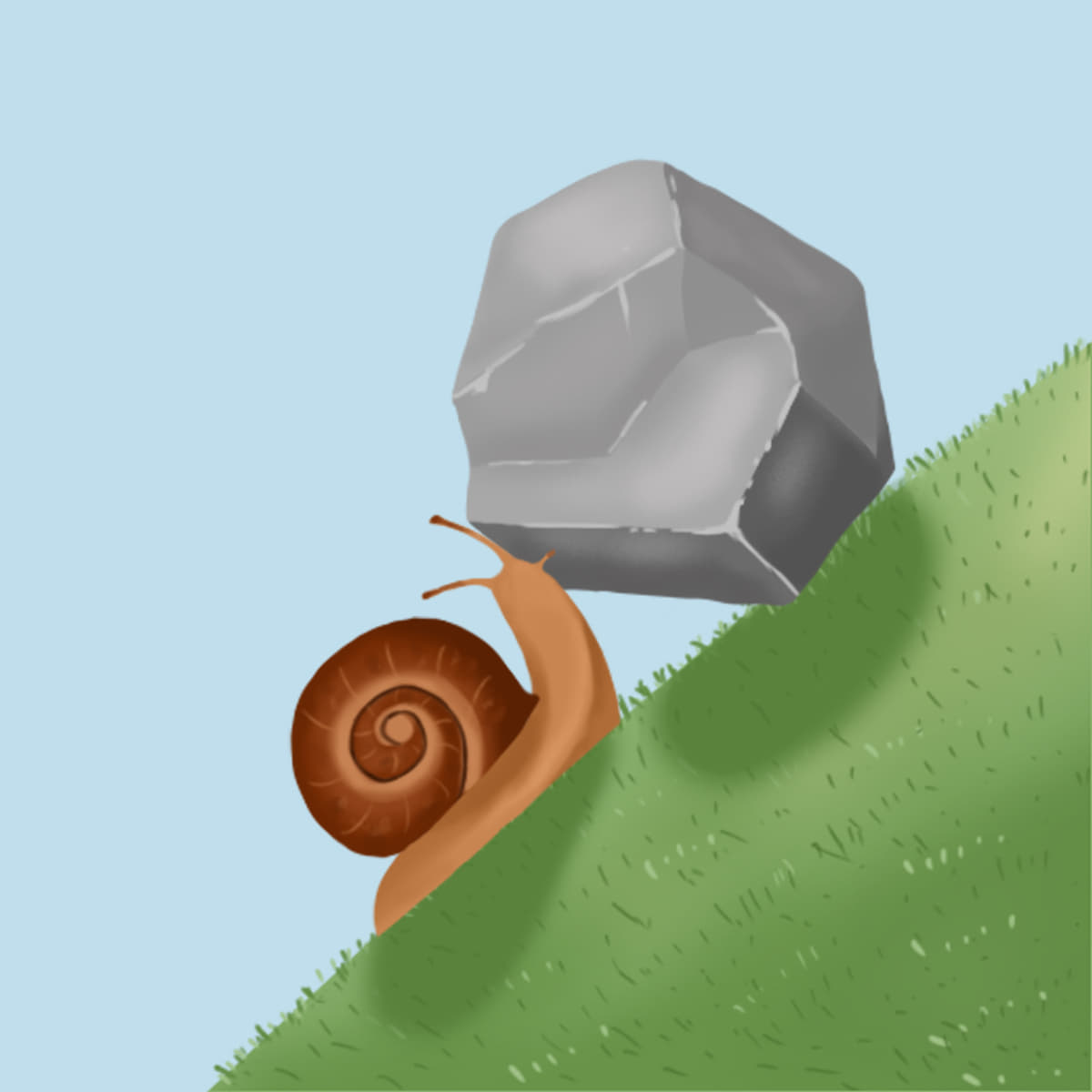
Quotes of the Willpower book
- "Willpower isn't just a skill. It's a muscle, like the muscles in your arms or legs, and it gets tired as it works harder, so there's less power left over for other things."
- "Willpower is about choosing what matters most in the long run and sticking with it, even when it's difficult or uncomfortable."
- "The best way to strengthen your willpower is to practice self-control regularly. Each small victory over temptation strengthens the muscle of self-discipline."
- "Willpower is like a gas tank that can be drained by a series of small demands throughout the day, so it's important to conserve and replenish it."
- "The key to self-control is learning to delay gratification. By resisting short-term temptations, we can achieve long-term goals and lead more fulfilling lives."
- "Self-control is a limited resource that can be depleted, but it can also be restored through techniques like taking breaks, getting enough sleep, and engaging in activities that replenish energy."
- "People with strong willpower have learned how to manage their environment and create habits that support their goals, making it easier to resist temptations and stay on track."
- "Willpower is not something we are born with; it can be developed and strengthened over time with practice and perseverance."
- "Self-control is not about being perfect or never making mistakes. It's about recognizing our weaknesses, learning from our failures, and continuing to make progress toward our goals."
- "Willpower is a fundamental aspect of personal success and happiness. By understanding and harnessing its power, we can overcome obstacles, achieve our goals, and live a more fulfilling life."
How does willpower work in the brain?
Willpower is a cognitive process that involves self-control and decision-making, and it is closely associated with the brain's prefrontal cortex. The prefrontal cortex is responsible for executive functions, which include impulse control, making choices, and focusing attention. Willpower is not a single entity but an interdisciplinary process involving different brain areas, neurotransmitters, and cognitive mechanisms. Here are some key aspects of how willpower works in the brain:
- Limited capacity: Research suggests that willpower is a finite resource that can be depleted over time, known as ego depletion. When individuals exert self-control repeatedly or for extended periods, their willpower reserves become depleted, decreasing their ability to resist impulses or make difficult decisions.
- The role of dopamine: Dopamine is a neurotransmitter involved in the brain's reward system that plays a crucial role in motivation and self-control. When individuals exert willpower or achieve a goal, dopamine is released in the brain, providing a sense of reward and reinforcing the behavior.
- The prefrontal cortex and impulse control: The prefrontal cortex helps with regulating impulses and making decisions that align with long-term goals rather than immediate gratification. It acts as a brake on impulsive behaviors, facilitating self-control and willpower.
- Mind-body connection: The mind-body connection is important in understanding willpower. Physical factors like fatigue, stress, or lack of sleep can impact willpower negatively, making it harder to exert self-control. Conversely, activities like exercise, meditation, or relaxation techniques can strengthen willpower by reducing stress and improving cognitive abilities.
- Cognitive techniques: Cognitive techniques, such as setting clear goals, developing strategies, and monitoring progress, can enhance willpower. These techniques help individuals stay focused on their long-term objectives and increase their chances of success in exerting self-control.
Understanding the complex interplay between different brain regions, neurotransmitters, and cognitive processes provides insights into how willpower works. By utilizing this knowledge, individuals can adopt strategies to cultivate and strengthen their willpower, leading to better self-control and goal attainment.
What's the best book on willpower?
There are several highly regarded books on the topic of willpower. One popular choice among readers is "Willpower: Rediscovering the Greatest Human Strength" by Roy F. Baumeister and John Tierney. This book explores the science behind willpower, providing insights and strategies for improving self-control and achieving long-term goals. Other notable books on the subject include "The Willpower Instinct: How Self-Control Works, Why It Matters, and What You Can Do to Get More of It" by Kelly McGonigal and "The Marshmallow Test: Mastering Self-Control" by Walter Mischel. Ultimately, the best book on willpower may vary based on an individual's personal preferences and learning style.