
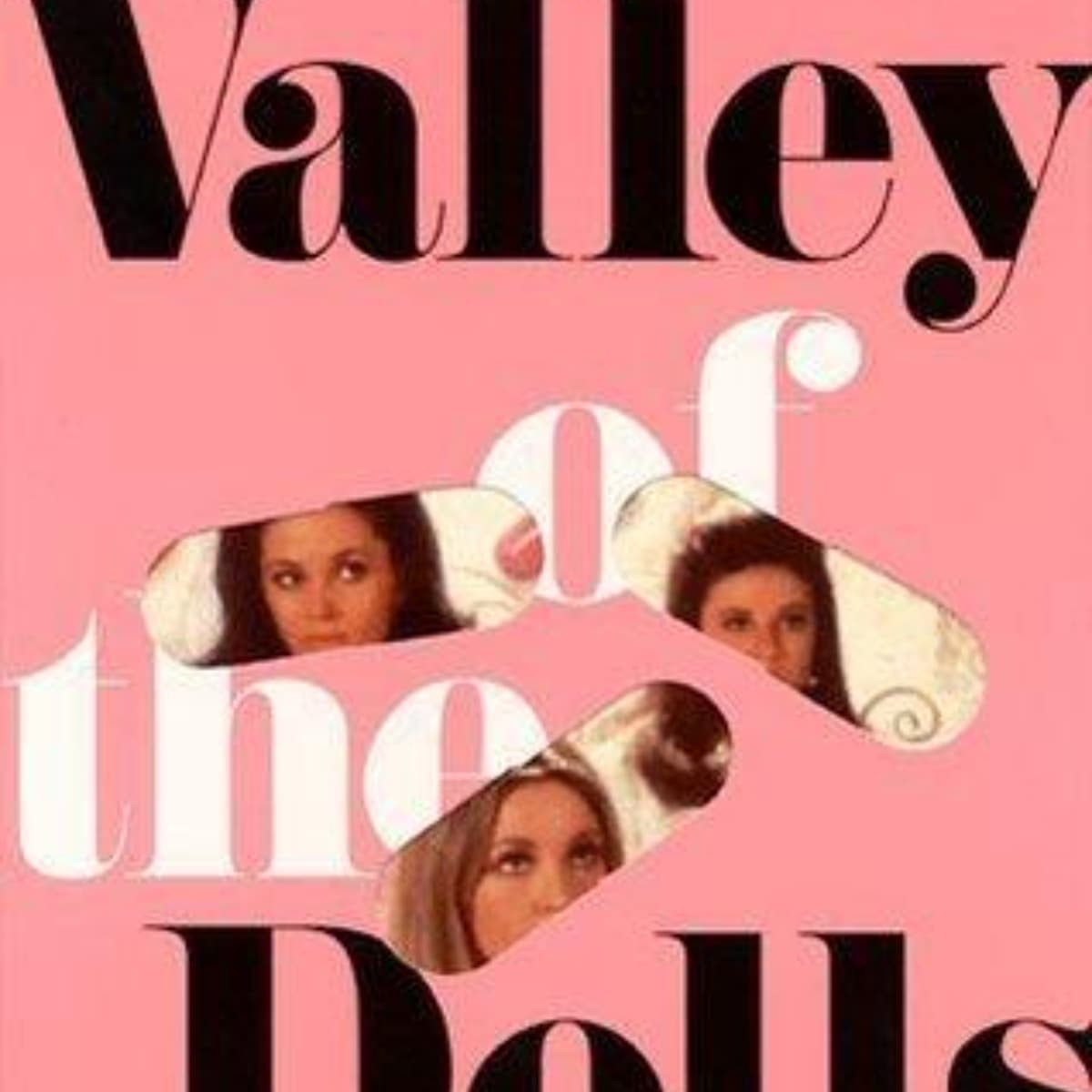
In the glittering yet shadowy world of 1960s America, "Valley of the Dolls" unfolds the lives of three women—Anne, Neely, and Jennifer—each chasing dreams under the harsh spotlight of fame. Amid the intoxicating allure of success, they confront the dark underbelly of ambition, with pills—“dolls”—offering both solace and addiction. Through their intertwined fates, Jacqueline Susann explores themes of resilience and the fragility of happiness in a society that prizes image over authenticity. As the women grapple with love, betrayal, and their personal demons, readers witness the steep price of their desires. The narrative serves as a cautionary tale, urging us to question the cost of our aspirations and the choices we make in the pursuit of fulfillment. In this valley, ambitions can either uplift or bury us, revealing the delicate balance between dreams and despair.
Chapter 1:What Is Valley of the Dolls
Valley of the Dolls is a novel written by Jacqueline Susann, published in 1966. It tells the story of three women navigating the harsh realities of fame, love, addiction, and the pursuit of happiness in mid-20th-century America. The title refers to the prescription drugs (or "dolls") that the characters use to cope with the pressures and disappointments of their lives.
Evaluation Based on Specified Criteria:
1. Depth and Accuracy of Content: The book provides a candid portrayal of the entertainment industry, particularly its darker edges, including substance abuse and the challenges faced by women. While it captures some real issues faced by its characters, it is not a deep sociological treatise but rather a melodramatic tale.
2. Originality: The themes of ambition, addiction, and the quest for fulfillment are common in literature, but Susann’s combination of these elements within the specific context of mid-century Hollywood offers a unique narrative perspective that resonated with readers at the time of publication.
3. Organization: The novel is structured around the lives of three main characters, allowing for a clear narrative flow. While the pacing can be uneven, the organization effectively keeps readers engaged through interconnected stories.
4. Readability: Susann’s writing style is accessible, and the dialogue flows naturally, making the book easy to read. Its straightforward prose appeals to a broad audience, contributing to its status as a bestseller.
5. Inspirational Emotional Impact: The characters’ struggles and triumphs can evoke a range of emotions. Readers might find inspiration in their resilience, though it also serves as a cautionary tale.
6. Cultural and Social Impact: The novel became a cultural phenomenon, reflecting and influencing attitudes towards women, mental health, and substance abuse. It has been referenced in various media and continues to be discussed in the context of women's rights and societal expectations.
7. Attention to Detail: While certain aspects of character development are well-crafted, some critiques point out that details can become melodramatic or superficial. The emphasis on dramatic moments sometimes overshadows nuanced characterization.
8. Theme and Message: The novel explores themes of ambition, addiction, and the emptiness of fame. It poses important questions about identity and self-worth, emphasizing the perils of seeking validation through external success.
9. Critical Thinking: The book invites readers to reflect on societal norms, gender roles, and the costs associated with the pursuit of the "American Dream." However, it can be seen as lacking in-depth critical analysis, as it primarily focuses on personal narratives rather than broader social commentary.
10. References: The novel does not heavily rely on external references; it presents an introspective narrative based on the lives of its characters. While it does reflect the era it depicts, it is more anecdotal than academic.
11. Creativity and Artistry: Susann’s storytelling is marked by vivid, memorable characters and emotional highs and lows. While the plot can be formulaic, the artistic expression through character-driven narratives has struck a chord with many readers.
Conclusion:
Overall, Valley of the Dolls is regarded as an important work for its cultural significance and its unflinching portrayal of the challenges faced by women in society. While it may not excel in every critical category, its impact on the literary landscape and its resonance with readers make it a noteworthy book in American literature.
Chapter 2:Valley of the Dolls chapters
"Valley of the Dolls" by Jacqueline Susann is a novel that explores the lives of three women—Anne, Neely, and Jennifer—who struggle with their personal and professional aspirations amidst the backdrop of fame, ambition, and addiction. Below is a brief summary of the key chapters:
Chapter 1-5
The story introduces Anne Wells, a young woman from a well-off family who moves to New York City in search of independence and success. She becomes a secretary at a theatrical agency and meets the glamorous actress, Jennifer North. Through her job and relationships, Anne starts to become acquainted with the entertainment industry and its darker side.
Chapter 6-10
Anne befriends Neely O'Hara, a talented but troubled singer and actress. Neely's rise to fame is illustrated alongside her struggles with addiction to pills—referred to as "dolls" in the novel. Meanwhile, Jennifer, facing her own issues, decides to undergo surgery, which adds stress to her life.
Chapter 11-15
As Neely's career escalates, so do her challenges with addiction. Her destructive behavior alienates friends and creates tension in her personal relationships. Anne attempts to help her navigate through the tumultuous world of fame, but the toll it takes on her own life becomes evident.
Chapter 16-20
With Neely's deteriorating health and addiction, Anne feels increasingly burdened. Jennifer's story also takes a tragic turn as she contemplates love and legacy, leading to a life-altering decision. The chapter highlights the strain of high expectations and societal pressures on these women.
Chapter 21-25
The decline of Neely continues as her addiction spirals out of control. Anne witnesses the consequences of their choices, battling her own demons while striving to find stability in her career and relationships. The dynamic between the women showcases the varying reactions to fame and personal loss.
Chapter 26-30
As the characters confront their demons, their relationships deteriorate, and they grapple with the cost of their aspirations. The theme of addiction is prominent, revealing the ways in which it intertwines with their lives and choices.
Chapter 31-34
In the final chapters, the consequences of each woman’s choices are fully realized. The narrative underscores the toll that a pursuit of fame can take on personal lives. Each character faces her own reckoning, demonstrating the complexities of love, friendship, and the pursuit of happiness.
Note that these summaries provide an overview of the major themes and character arcs without going into exhaustive detail. The novel's exploration of addiction, ambition, and the often harsh realities of life in the entertainment industry are central to its impact.
The Valley of the Dolls: A Journey Through Dreams and Despair
Picture a dazzling party in the 1950s, with the glint of champagne glasses and the tantalizing whisper of secrets swirling through the air. Laughter echoes, but beneath the surface of gaiety lies a simmering tension, the kind that Jacqueline Susann captured so vividly in her groundbreaking novel, Valley of the Dolls. It’s not just a tale of ambition and glamour; it’s a cautionary narrative that delves into the fraught relationship we have with our dreams, desires, and, ultimately, our despair.
At the heart of the story are three women—Anne, Neely, and Jennifer—who chase the elusive promises of fame and love, each armed with hope and naivety. Their paths intersect in the glitzy but treacherous landscape of the entertainment industry, where the line between aspiration and addiction becomes all too blurred. Susann takes us on an emotional rollercoaster, illustrating how the pursuit of validation can lead to a dark valley filled with "dolls"—the pills that offer temporary relief but ultimately ensnare their users in a grip of dependency.
As we explore their lives, Susann’s narrative compels us to reflect on the nature of ambition. Anne, with her steady resolve, represents the struggle for self-identity in a world that often equates worth with success. It’s easy to root for her as she strives to conquer a male-dominated industry, yet her journey is rife with sacrifices that echo the silent cries of countless women before her. Through Anne, we learn that the quest for professional success can often come at the steepest personal price.
Then there’s Neely—an exuberant talent who brings a spark of life to every scene she graces, but also embodies the destructive nature of fame. Her rise is meteoric, her fall, heartbreaking. Neely’s descent into addiction serves as a mirror reflecting society's obsession with celebrity culture and the perils of losing oneself in the pursuit of illusion. The dolls keep her company during her highest and lowest moments, a poignant reminder of how easily one can slip from the top of the world into a shadowy abyss.
Jennifer, often the quieter character in this triad, highlights another facet of the human experience: the cost of emotional dependency. Her entanglement with a man who represents comfort yet also cruelty embodies the struggle many face in seeking love that feels like home, all while teetering on the edge of heartbreak. Through her story, Susann masterfully illustrates that the search for affection can lead us down paths we never intended to take.
Interwoven with these personal journeys is the overarching theme of societal expectations—how the relentless pursuit of the American Dream often leads to disillusionment. The rich tapestry of the narrative provides a stark commentary on the 1950s and 60s, where women were expected to find solace and worth in their relationships, while battling the internalized pressures of the world around them. Susann invites us to question: In our quest for happiness, how often do we sacrifice our own well-being?
As you turn the pages of Valley of the Dolls, you’ll find a vivid portrayal of the fragility of dreams. So many readers come for the glitz and glamour but stay for the raw, unfiltered humanity that Susann presents. Beneath the façade of ribbons and jewels lies a haunting exploration of addiction, loss, and the desperate desire for connection. The novel remains as relevant today as it was at its inception, sparking dialogues about mental health, self-worth, and the perils of unrealistic expectations.
In the end, Valley of the Dolls serves not merely as a tale of three women chasing their dreams, but rather as a reflective lens through which we can examine our own lives. How do we define our success? What dolls do we keep hidden in our own valleys? As we navigate the complexities of our aspirations, may we carry with us the lessons learned from Anne, Neely, and Jennifer—a reminder that within the heights of our dreams, we must also guard against the depths of despair.
Book Summary Audio Bookey https://www.bookey.app/audiobook/valley-of-the-dolls
Quotes https://www.bookey.app/book/valley-of-the-dolls/quote
YouTube https://www.youtube.com/watch?v=dejC_A-Cp3w
Amazon https://www.amazon.com/Valley-Dolls-Jacqueline-Susann/dp/0802135196
Goodreads https://www.goodreads.com/book/show/581811.Valley_of_the_Dolls